What's the best time to visit Texas wineries? Month by month, and hour by hour
October is Texas Wine Month and the busiest. Spring bluebonnets peak late March to mid-April. Here is the real calendar, plus the best hour to start pouring.
 By Robert Schneider, Fredericksburg wine tour specialist & Hill Country experience guide
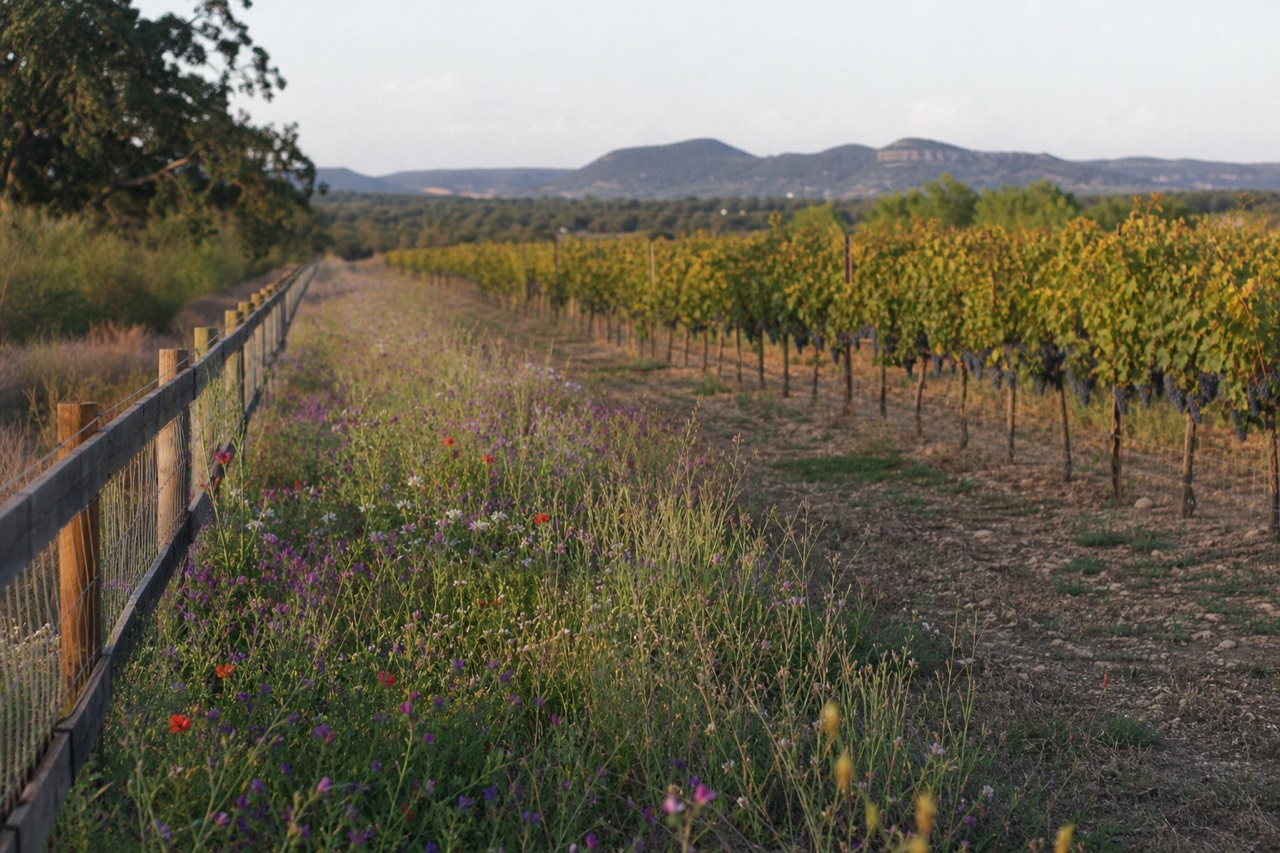
There is a moment in mid-October when the 290 corridor stops being a wine region and starts being a queue. Passport holders working through the Texas Wine Month list, the Food and Wine Fest weekend downtown, and perfect 78-degree weather all landing at once. It is spectacular. It is also the single hardest time to have a conversation with the person pouring your wine.
Which is the whole point of this article. There is a best month for events, a best month for weather, a best month for actually learning something, and they are not the same month. Then there is the question almost nobody researches and everybody gets wrong: what hour to start.
Price examples and review counts below were recorded in August 2026. Use a current quote, with all extras included, for your own comparison.
Three boutique winery visits with tastings and lunch. Explore Boutique winery day
What is the best time of year to visit Texas wineries?
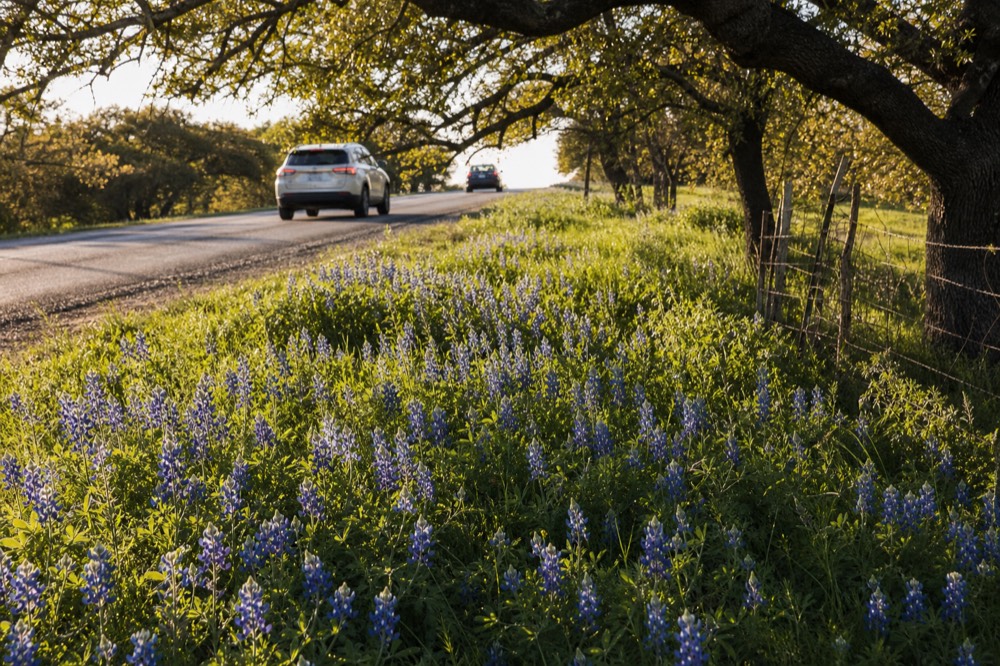
October, if you want the events, and late March into mid-April if you want the region at its most beautiful. Texas Wine Month runs the full month of October with a passport valid October 1 to 31, and the Fredericksburg Food and Wine Fest lands October 22 to 25, 2026. Spring brings the bluebonnet peak from late March to mid-April.
Those two windows split the visitor year cleanly, and they attract different people. October is the wine calendar's own month: the passport program runs across 50 or more wineries, the harvest has come in, the weather has broken, and the whole corridor is in performance mode. If you want festivals, special pours and a sense of occasion, that is your month, and you should book both your room and your vehicle well ahead.
Spring is the one I recommend more often. Late March to mid-April is bluebonnet peak on the Willow City Loop, temperatures are comfortable, and the tasting rooms have not yet hit their autumn crush. The important caution on the Loop, which the local visitor guidance states plainly: it is a public road running through private ranch land. Stay on the road. Do not walk into the meadows, do not park across a gate, and do not pick the flowers. That access exists because people have mostly behaved.
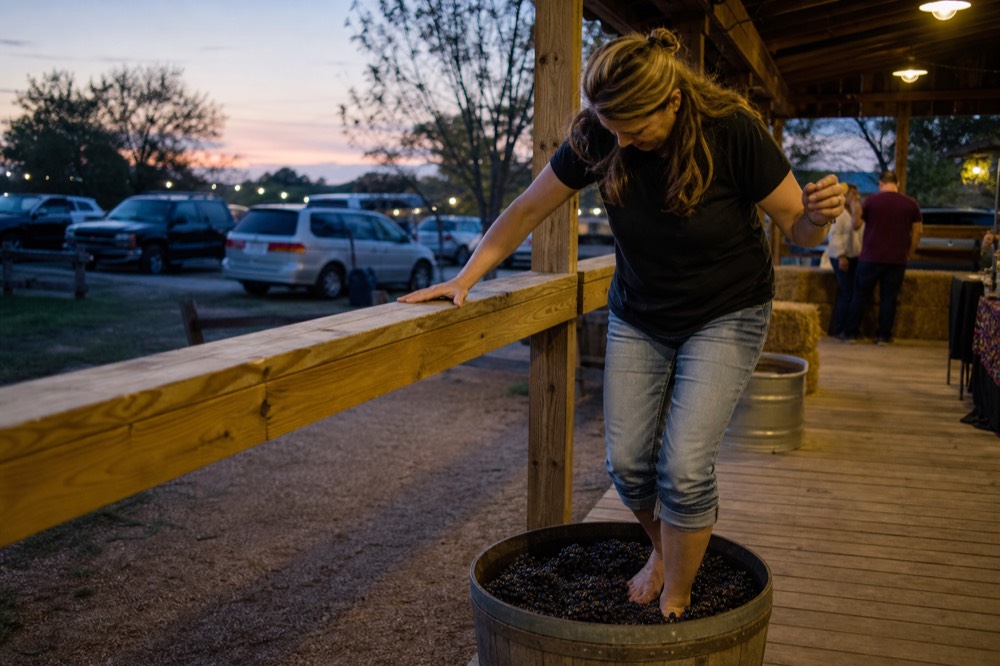
Summer is the honest underdog. July and August bring highs in the low 90s, but they also bring grape stomping season, with stomp events across Texas wineries in July and August and harvest festivals through August. Texas Hill Country Wineries also runs a Summer Season Pass from June 1 to August 31. If you can handle the heat, and the tasting rooms are air-conditioned, summer buys you the one thing October cannot: space at the bar.
Winter is the quiet season and it deserves more respect than it gets. January averages a low around 37 degrees, winter carries a disproportionate share of the annual rainfall, and the corridor goes calm. Fredericksburg's German Christmas season centers on Marktplatz with the 26-foot pyramid lit nightly and an ice rink usually running from late November into early January. February is emptiest of all, and the winter trail events are worth checking on the Texas Hill Country Wineries calendar directly rather than relying on last year's dates.
| Season | Weather | What is on | Crowd reality |
|---|---|---|---|
| Late March to mid-April | Mild spring | Bluebonnet peak on Willow City Loop | Busy on weekends, wildflower traffic |
| Mid-May to mid-August | Warming into the low 90s | Gillespie County peach season, peak mid-June to late July | Moderate, heat thins the patios |
| July and August | Hottest months, highs in the low 90s | Grape stomps and harvest festivals, Summer Season Pass June 1 to Aug 31 | Lightest at the bar, best staff attention |
| October | The best weather of the year | Texas Wine Month passport Oct 1 to 31, Food and Wine Fest Oct 22 to 25 | Peak. Book everything early |
| Late November to early January | Cool, occasional cold snaps | Weihnachten, the 26-foot Marktplatz pyramid, the Eisbahn ice rink | Town busy, wineries calmer |
| January and February | Coldest, January lows around 37F | Quietest wine calendar of the year | Emptiest rooms, longest conversations |
When is harvest, and can you actually see it?
Late summer into fall, with grape stomping events running through July and August at Texas wineries and harvest festivals in August. Texas ripens earlier than California because it is hotter and further south, so anyone arriving in late September expecting picking is usually a month late. The harvest window shifts by variety and by weather every year.
This surprises visitors more than any other fact on this page. The mental image most people carry is a September or October harvest, because that is the northern-hemisphere default and it is when California picks. In the Texas Hill Country, fruit comes off in the heat, and the celebration events cluster in July and August rather than the fall.
If seeing actual work is the goal, aim for those two months and accept the temperature. Properties running stomp events and harvest festivals in July and August put you on site while something is genuinely happening, which is a different visit from tasting a finished bottle in a cool room in November. It is also the least crowded stretch of the busy half of the year.
The trap is assuming a specific date will work. Harvest is not a fixture. It moves with the vintage, with the variety, and with whatever the weather did in June, and no winery can promise you six weeks out that you will see fruit arriving. Book the day for the wine and the events, and treat catching a pick in progress as a bonus.
October, confusingly, is when the region celebrates rather than when it picks. Texas Wine Month with its October 1 to 31 passport is a hospitality season, not a harvest season, and the two get conflated constantly. Both are worth attending. They are just not the same thing.
What is the best time of day for wine tasting?
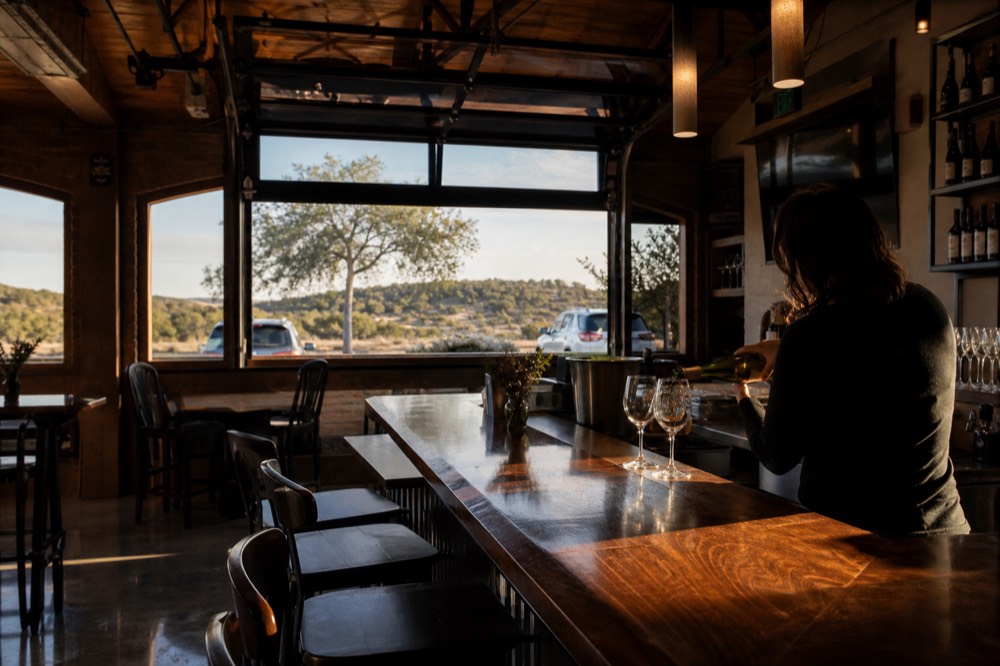
Start at 11am and be finished by 4pm. Your palate is sharpest before lunch, the bars are still quiet, and the staff have time to talk. Most operators build to this: the 19th Hole day starts at 11:30, and the five-hour formats put you in the first room before the crowd and the last room as it thins. A 2pm start on a Saturday means queuing at every stop.
The palate part is real and underappreciated. First flight of the day, clean mouth, no coffee in the last hour, and you can actually tell the difference between two Tempranillos. By the third room after a heavy lunch, most people are tasting texture and alcohol and not much else. That is not a capacity problem, it is a sequencing one, and starting earlier fixes it.
The staffing side matters just as much. At 11am on the corridor there might be six people at the bar and someone willing to open a conversation about the block that fruit came from. At 3pm on the same Saturday, that same person is pouring for thirty and reciting. Same wine, same fee, completely different value for your $30.
There is also a boring safety argument for finishing early. A three-room day is roughly twelve to fifteen pours, and Texas puts a driver at 0.08 regardless of how small the pours were. Finishing at 4pm gives a group hours before dinner. Finishing at 7pm does not, and that is when people start making optimistic arithmetic about their own blood alcohol. Booking a chartered vehicle removes the question entirely, and the full tasting-room how-to covers the law and the pacing in detail.
One seasonal adjustment to the clock. In July and August, the low-90s heat makes the middle of the day punishing on outdoor patios, so morning and late afternoon are the comfortable windows. In December and January the reverse applies: the 11am start is cold on a terrace and the early afternoon is the pleasant part of the day.
Because the stop list on the five and a half hour three-winery day is customizable, it is the easiest format to shape around whatever the season is doing, indoor rooms in August and terraces in April, and you can check current dates and pricing before you commit to a weekend.
| Start time | Palate | Bar conditions | Best for |
|---|---|---|---|
| 10am to 11am | Sharpest of the day | Empty, staff available | Learning, weekday visits, summer heat |
| 11:30am to noon | Still excellent | Filling but manageable | The standard tour start, most formats |
| 1pm to 2pm | Blunted by lunch | Busiest window on a Saturday | Groups who prioritize sleeping in |
| 3pm onward | Tired, texture over detail | Queuing at popular rooms | Sunset views, one-stop visits |
What else is happening while you are here?
Peach season runs mid-May through mid-August, peaking mid-June to late July, with roadside stands open across Gillespie County. Enchanted Rock charges $8 a person for anyone 13 and up and requires day-pass reservations on weekends, school breaks and holidays. Fredericksburg Trade Days runs the weekend of the third Saturday each month.
Peaches are the underrated reason to come in June. Gillespie County peaches are a genuine regional product rather than a tourist prop, the stands are on the same roads you will already be driving between wineries, and the season overlaps with the quietest half of the tasting calendar. A summer trip that combines a morning tasting with an afternoon peach stand is a better day than most October itineraries.
Enchanted Rock needs planning if it is on your list. Day-use is $8 per person age 13 and up, children 12 and under are free, and passes can be reserved up to 30 days ahead through the Texas state parks system. The reservations sell out on peak days, which in practice means most spring and fall weekends. Details are on the Texas Parks and Wildlife page for Enchanted Rock. It sits about 18 miles from town, so it is a morning, not a stop.
Trade Days lands monthly on the weekend of the third Saturday, Friday through Sunday, with $5 parking, and it changes the texture of a weekend visit noticeably. So does the Christmas season, when the Marktplatz pyramid and the ice rink pull a different crowd into town from late November into early January. If your dates are flexible and you want quiet wineries, checking the town calendar before booking is worth ten minutes.
Weekday or Saturday: which day should you book?
A weekday, every time, unless the event calendar is the reason you came. The same rooms that give you ninety seconds on an October Saturday will give you twenty minutes on a Tuesday. If your dates are fixed to a weekend, book the vehicle early and start earlier than you think you need to.
The concentration is the problem. Close to 100 wineries sit in Gillespie County and about 50 of them line the 30-mile stretch of US 290 into town, which is exactly the stretch every weekend visitor drives. Saturday compresses that traffic into roughly six hours. The properties furthest from the highway breathe more easily, which is one of the quiet advantages of booking a driver who knows which ones those are.
Sunday is the compromise most people miss. Hours are often shorter and some rooms close earlier, so it is not a free win, but the crowd is meaningfully thinner than Saturday and the corridor empties through the afternoon as people head back to Austin and San Antonio. A late-morning Sunday start with a hard 3pm finish is a genuinely pleasant version of this trip.
Whatever day you land on, the vehicle decision does more work than the winery decision. Tour tickets on this site start at $99 per person, the bundled days that include every tasting and lunch run $149 to $325, and 15 of the 19 tours listed actually reach Fredericksburg. The all-inclusive day tours are sorted by what each ticket covers, the private charters work per group rather than per head, and what a full day really costs runs the arithmetic if you are deciding between formats. If the whole weekend needs shaping, the worked wine-weekend itinerary slots tours, meals and Enchanted Rock into a two-day plan.
If a Saturday is unavoidable and the group has mixed enthusiasm for a full tasting day, the game-farm safari is the useful outlier on the calendar: 1.5 hours, four tastings, and a game drive that occupies anyone who did not come for the wine. You can check current availability and price on the operator's listing, though note it is non-refundable, while most of the shuttle days cancel free up to 24 hours out. Pick the date first on that one.
Your next step
Choose a date for Boutique winery day
Starting recommendation · confirm the details for your party
Find the format for your day · compare options
The starting recommendation is general guidance. Compare a format, then check your starting point, time and party. All listed tours operate in English; confirm specific access needs with the operator.
Choose any details to narrow the options. Prices and availability are confirmed with the provider.
Other formats in this comparison
- Three wineries & lunch: Three winery tastings, lunch and transport in one ticket. Marktplatz meeting point; pickup within 2 miles of downtown by arrangement. Vehicle may be an open cable car, limo bus or van. Up to 6 per online booking; larger parties must arrange with the operator. Free cancellation at least 24 hours before departure; check the booking terms.
- Cowboy three-winery bus: Four hours, three wineries and four to five tastings at each stop. Fredericksburg Visitor Center rear lot. Tastings, light snacks and water included; meals extra. Adult wine experience; check the date and party on GetYourGuide.
Compare your full-day costs
Use current quotes for the same party. Include tasting fees, meals, transport and required extras in both totals. This compares your figures, not a supplier quote.
Check your date before arranging the rest of your day. Three boutique winery visits with tastings and lunch.
Visitor Center departure; optional paid pickup within 5 miles. At least 4 passengers needed to operate. Shared tour up to 10; online bookings up to 8. Winery selection varies. Free cancellation at least 24 hours before departure; check the booking terms.
Scheduled dates load automatically. Availability and final price are confirmed on Viator.