The oldest winery in Fredericksburg is Bell Mountain, and the dates are stranger than you think
Vines in 1976, a winery in 1983, the first Texas AVA in 1986. Here is the verified timeline of the oldest wineries in Fredericksburg and the Hill Country.
 By Robert Schneider, Fredericksburg wine tour specialist & Hill Country experience guide
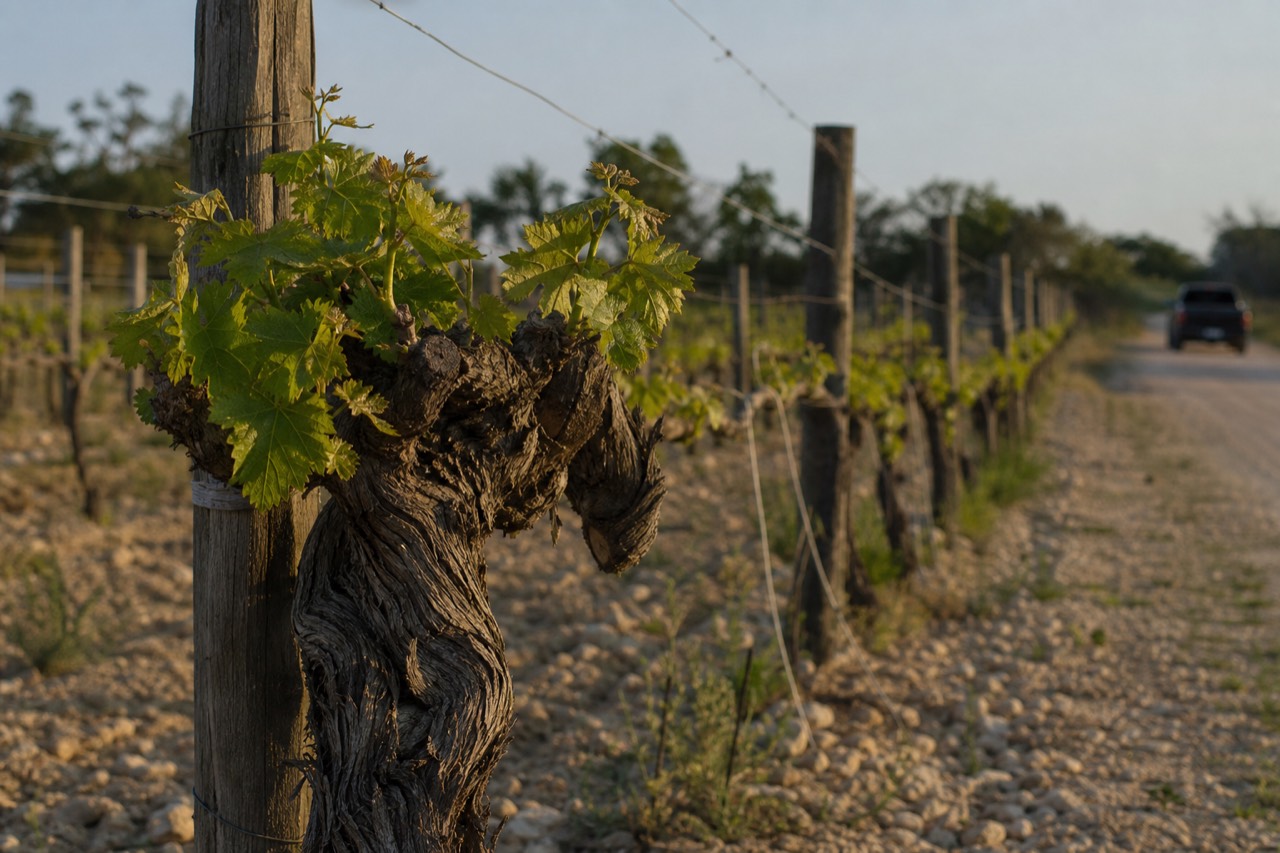
In 1976 the Texas Hill Country had no appellation, no wine trail, and no reason for anyone to plant grapes on limestone forty minutes from the nearest town of any size. Bell Mountain did it anyway. The winery did not open for another seven years, which tells you something about how long the gamble took to pay off, and by 1986 the ground those vines were sitting in had become the first American Viticultural Area in Texas.
That is the whole answer, and the dates matter more than the ranking. Below is the verified timeline, what makes it unusual, and the two questions people always ask next: whether Fall Creek beats it, and which Texas winery is actually the biggest.
Price examples and review counts below were recorded in August 2026. Use a current quote, with all extras included, for your own comparison.
To compare wines rather than founding dates, the four-hour Cowboy bus tour includes three winery flights, with lunch paid separately. Explore Cowboy three-winery bus
What is the oldest winery in Fredericksburg, Texas?
Bell Mountain Vineyards. Vines were planted in 1976 and the winery opened in 1983, making it the oldest in Fredericksburg and Gillespie County by both measures. Bell Mountain went on to become the first American Viticultural Area in Texas in 1986, five years before the wider Texas Hill Country AVA existed.
The seven-year gap between planting and opening is the part of this story that deserves attention. Vines need roughly three to five years before they yield fruit worth vinifying, and then the wine needs time. But seven years also reflects a state where the commercial infrastructure for wine barely existed, and where a grower had to build a market alongside the vineyard.
Consider what was not yet in place. The Texas Hill Country AVA would not be established until November 29, 1991. Becker Vineyards, now one of the best-known names in the county, would not be founded until 1992, nine years after Bell Mountain opened its doors. The roughly 50 wineries now lining the US 290 corridor and the nearly 100 across Gillespie County all arrived afterward.
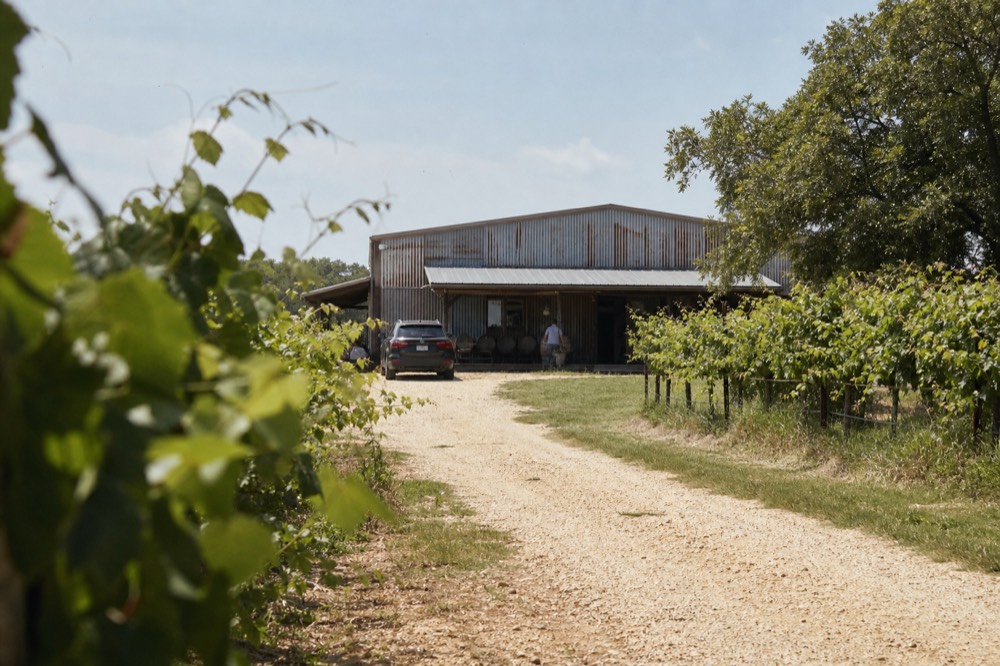
Here is the timeline with nothing added that cannot be sourced:
| Year | Event |
|---|---|
| 1975 | Fall Creek Vineyards founded, outside Gillespie County |
| 1976 | Bell Mountain plants vines near Fredericksburg |
| 1983 | Bell Mountain Vineyards opens as a winery |
| 1986 | Bell Mountain becomes the first AVA in Texas |
| 1991 | Texas Hill Country AVA established, November 29, the 114th in the country |
| 1992 | Becker Vineyards founded |
What made Bell Mountain the first AVA in Texas?
An American Viticultural Area is a federally recognized grape-growing region with boundaries defined by distinctive geography, soil and climate. Bell Mountain received that recognition in 1986, the first anywhere in Texas. The much larger Texas Hill Country AVA followed on November 29, 1991 as the country's 114th appellation.
The sequencing is the interesting bit and it runs opposite to what most people assume. The small, specific appellation came first, in 1986. The enormous regional one came five years later. Today the Texas Hill Country AVA covers 9.6 million acres, about 15,000 square miles, and ranks as the third largest appellation in the United States.
So a bottle carrying a Bell Mountain designation is pointing at a far tighter piece of ground than one labeled Texas Hill Country. That distinction survives to this day and it is the single most useful thing to understand about Texas wine labelling. A regional AVA the size of 15,000 square miles tells you very little about soil or elevation. A 1986 sub-appellation tells you a great deal.
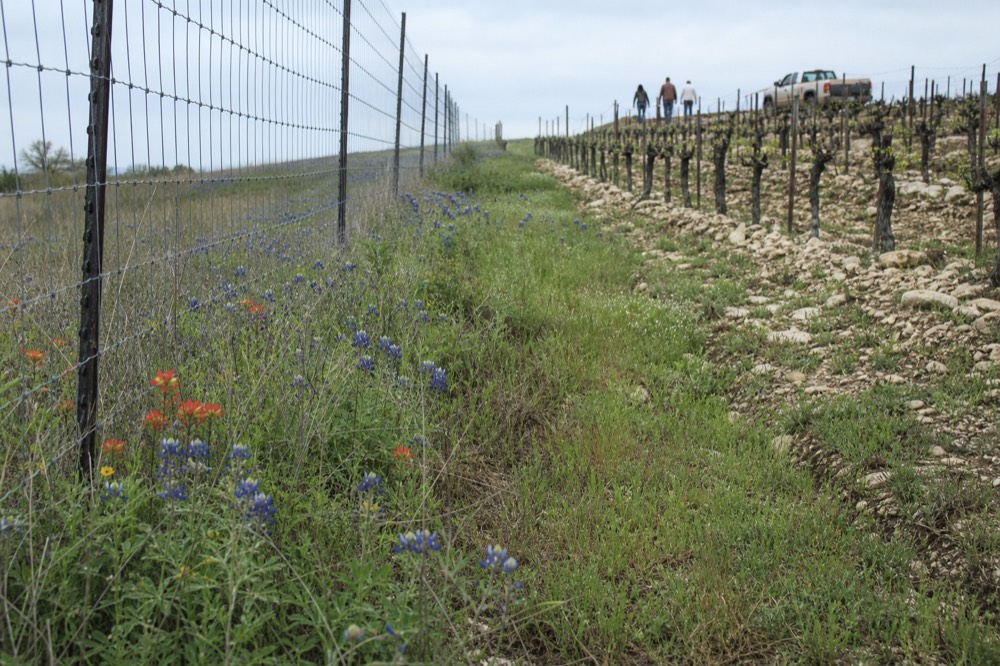
None of the historic properties appear as named stops on the bookable tours, which surprises people who assume the oldest winery must be the flagship of every itinerary. Operators build routes around rooms that can seat a group of eleven on a schedule, which is a different qualification entirely. If the historic properties are your priority, a small-group or private vehicle where the route bends to you is the practical answer, and the five-and-a-half-hour boutique day capped at ten people is the closest thing to it at a per-person price.
Is Bell Mountain the oldest winery in the Texas Hill Country?
Not quite. Fall Creek Vineyards was founded in 1975, one year before Bell Mountain's vines went in, and it is generally cited as the older of the two. Bell Mountain remains the oldest in Fredericksburg and Gillespie County specifically, and it holds the distinction Fall Creek does not: Texas's first AVA, in 1986.
Both claims circulate and both are true once you attach the right boundary to them. This is the same problem that makes winery counts here so slippery: a claim about Fredericksburg, a claim about Gillespie County and a claim about the Hill Country are three separate claims, and sources drop the qualifier constantly.
| Winery | Founded | Boundary it is oldest within | The distinction it holds |
|---|---|---|---|
| Fall Creek Vineyards | 1975 | Predates Bell Mountain by a year, outside Gillespie County | The earlier founding date of the two |
| Bell Mountain Vineyards | Vines 1976, winery 1983 | Fredericksburg and Gillespie County | First AVA in Texas, 1986 |
| Becker Vineyards | 1992 | None, but among the region's early names | Founded a year after the Hill Country AVA |
There is a Fall Creek footnote that trips up visitors booking from the wrong city. One of the limousine tours departing Austin stops at Fall Creek's Driftwood location, which sits in the southern Hill Country rather than anywhere near Fredericksburg. That day out also takes in Wimberley Valley and the Salt Lick, and it is genuinely good, but it does not reach this county. Our Austin departures page states which tours pour where instead of letting the phrase "Hill Country" cover a 70-mile gap.
Which is the largest winery in Texas?
Llano Estacado Winery, in Lubbock, producing over 100,000 cases a year and described as the state's largest premium wine producer. It is on the High Plains, not in the Hill Country, which is a useful correction to the assumption that Fredericksburg is where Texas wine is made rather than where it is poured.
The Hill Country is Texas's tasting-room capital and not its production capital, and those are genuinely different things. Fredericksburg draws visitors to bars, patios and cellar doors. A great deal of the fruit behind Texas wine comes from the High Plains hundreds of miles northwest, where the elevation and the diurnal temperature swing suit grapes better than a limestone hillside outside town does.
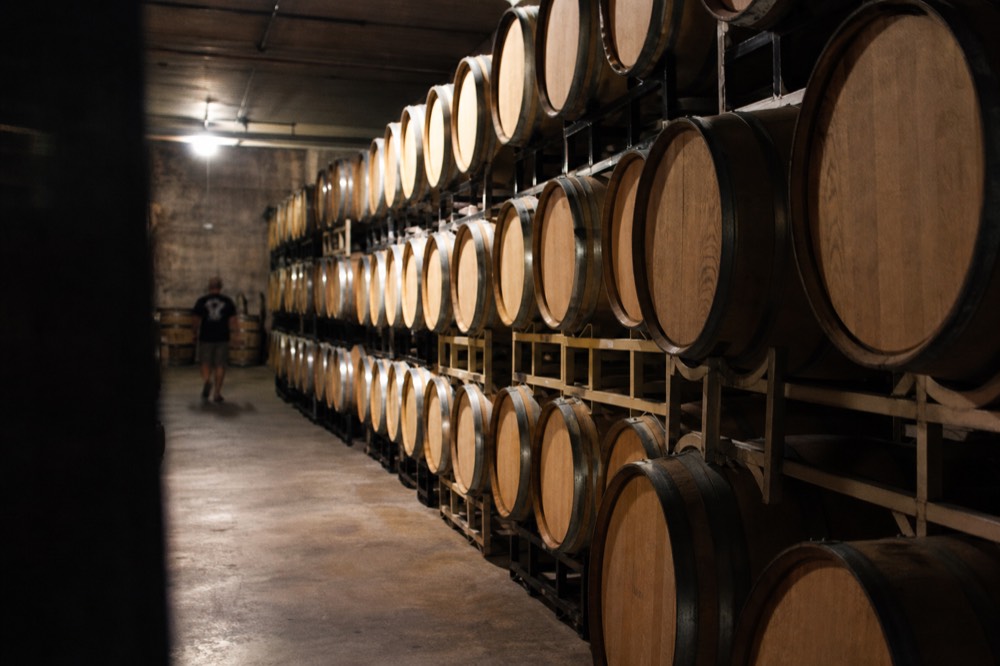
That is not a knock on Fredericksburg. It is context that makes the region legible. Nearly 100 places to taste, over 100 across the appellation and more than 60 association members represent an extraordinary visitor economy built in fifty years, and the tasting-room concentration is the whole point of coming here. The fuller version of that count is on our page asking how many wineries Fredericksburg actually has.
It also explains something visitors notice and rarely get answered. Ask at a tasting bar where the fruit came from and the reply is often somewhere far from the window you are looking out of. That is normal in the trade and normal in Texas specifically, where the High Plains supplies a large share of the grapes and the Hill Country supplies the room, the patio and the afternoon. A property that both grows and pours on the same site is the exception rather than the rule, which is worth knowing before you form a strong opinion about a view.
Does an older winery pour better wine?
Not reliably. A founding date tells you who took the risk first, not who is making the better bottle now. What age genuinely buys you is mature vine stock, an established site and a room with some history in it. Several of the county's most highly rated tasting experiences sit on properties founded decades after Bell Mountain.
Fifty years is not long in wine. The oldest vines in Gillespie County went in during the American bicentennial year, which means nobody here has multi-generational old-vine fruit of the sort that carries a Rhône or Rioja label. What the early properties do have is a site somebody spent decades learning, and that shows up in row orientation, in which blocks get picked first, and in a cellar team that has seen fifty harvests on the same ground. Those things matter. They are also invisible on a label.
The practical filter that works better is what a room is set up to do. Some handle groups well and appear on four separate tour route sheets. Some publish their tasting fee so you know the price before you park. Some take dogs on the patio. Those are checkable facts and a founding year is not a substitute for any of them.
Can you visit the oldest wineries on a wine tour?
Not as a named stop. None of the bookable Fredericksburg tours lists Bell Mountain or Becker on a published route, because operators build around rooms that handle scheduled groups. A private vehicle where you set the itinerary is the realistic way to include them, or drive with a designated driver.
The honest position on booking is that you have three options and they cost very different amounts. A private Sprinter runs $475 per group of up to eleven for four hours, which divides to $43 a head and is the cheapest per-person figure available if your group is large enough. A fully custom six-hour private day runs $850 per group and is non-refundable, so it wants a settled plan and a firm date. Driving yourself is free apart from tasting fees, which run $30 at the rooms that publish them, and costs you one sober person for the day.
Whichever route you take, Texas Penal Code section 49.031(c) is the reason a tour vehicle works at all: passengers of a bus, taxicab or limousine operated for compensation are excepted from the open container rule, while a private car is not, and drivers are held to 0.08 under sections 49.04 and 49.01. The statutes are public and short if you want to read the exact wording.
If a custom route is what you are after, the four-hour private Sprinter priced per group is the sensible starting point, and the full set of private options sits on the private and custom tours hub. For everyone else, the practical version of this question is which rooms are genuinely worth the fee rather than which is oldest, and that is worked through in our guide to the tasting rooms worth your money alongside the corridor layout in the Highway 290 wine road guide.
Your next step
Choose a date for Cowboy three-winery bus
Starting recommendation · confirm the details for your party
Find the format for your day · compare options
The starting recommendation is general guidance. Compare a format, then check your starting point, time and party. All listed tours operate in English; confirm specific access needs with the operator.
Choose any details to narrow the options. Prices and availability are confirmed with the provider.
Other formats in this comparison
- Boutique winery day: Three boutique winery visits with tastings and lunch. Visitor Center departure; optional paid pickup within 5 miles. At least 4 passengers needed to operate. Shared tour up to 10; online bookings up to 8. Winery selection varies. Free cancellation at least 24 hours before departure; check the booking terms.
Compare your full-day costs
Use current quotes for the same party. Include tasting fees, meals, transport and required extras in both totals. This compares your figures, not a supplier quote.
To compare wines rather than founding dates, check the four-hour Cowboy departure before arranging the rest of your day. Three winery flights are included; lunch is extra.
Fredericksburg Visitor Center rear lot. Tastings, light snacks and water included; meals extra. Adult wine experience; check the date and party on GetYourGuide.