What to wear to a winery in Fredericksburg, and whether jeans are fine
No Fredericksburg wine tour publishes a dress code. Here is what actually works on gravel car parks, in low-90s summers, and on open-air vehicles.
 By Robert Schneider, Fredericksburg wine tour specialist & Hill Country experience guide
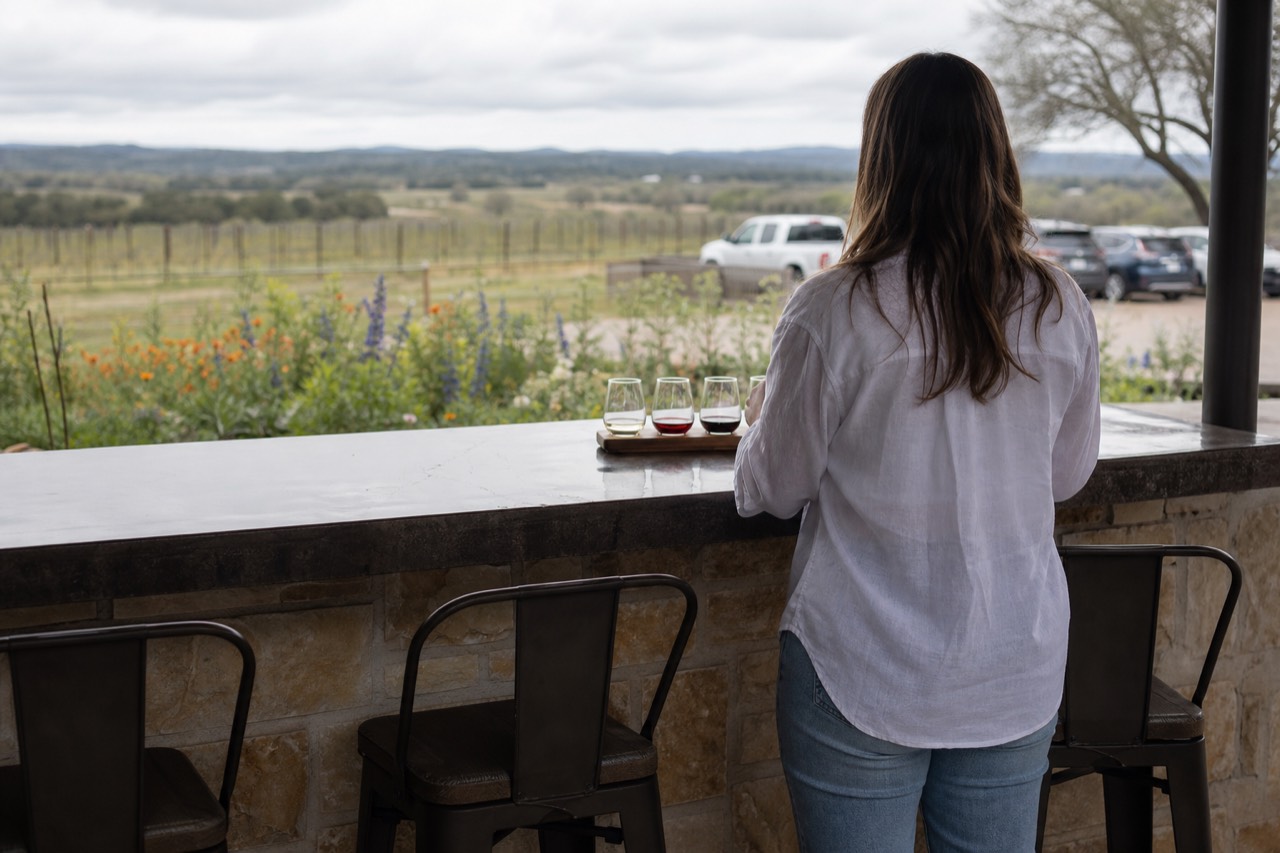
The first thing that goes wrong is footwear, and it goes wrong in the car park before anyone has tasted anything. Winery grounds in Gillespie County are gravel, decomposed granite, mown grass and limestone flag, often on a slope, usually with a lip between the parking area and the patio. A stiletto sinks. A slide flips gravel into itself. Meanwhile the actual clothes barely matter, because nobody here is checking.
That is the honest headline. Nearly 100 wineries, vineyards and tasting rooms operate around this town, and the ones on the US 290 corridor run relaxed. Not one of the 15 Fredericksburg-reaching tours listed on this site publishes a dress code on its booking page. If you find a page insisting on collared shirts and no denim here, treat it with suspicion, because the operators themselves are not saying it.
Price examples and review counts below were recorded in August 2026. Use a current quote, with all extras included, for your own comparison.
Three boutique winery visits with tastings and lunch. Explore Boutique winery day
What should you wear to a winery in Fredericksburg?
Dress as you would for a good casual lunch outdoors. Comfortable trousers or a simple dress, a layer you can take off, flat closed shoes, sunglasses and a hat between May and September. No Fredericksburg tasting room on the tour routes enforces a dress code, and no tour listing publishes one, so comfort and weather are the only real constraints.
The thing worth planning around is not formality, it is duration and exposure. A standard tour here runs four to five and a half hours across three wineries, and a good share of that time is spent outside: crossing car parks, standing on patios, sitting at long tables under a pergola or an oak. You are dressed for a slow afternoon outdoors that happens to include wine, not for a restaurant.
Two small details make a genuine difference. Bring a layer even in summer, because tasting rooms run the air conditioning hard and the swing between a 92F patio and a chilled barrel room is unpleasant in a sundress. And keep your hands free: between a glass, a phone, a tasting card and a bag, most people end up with one object too many. A crossbody bag solves an afternoon of small annoyances.
Can you wear jeans to a wine tour?
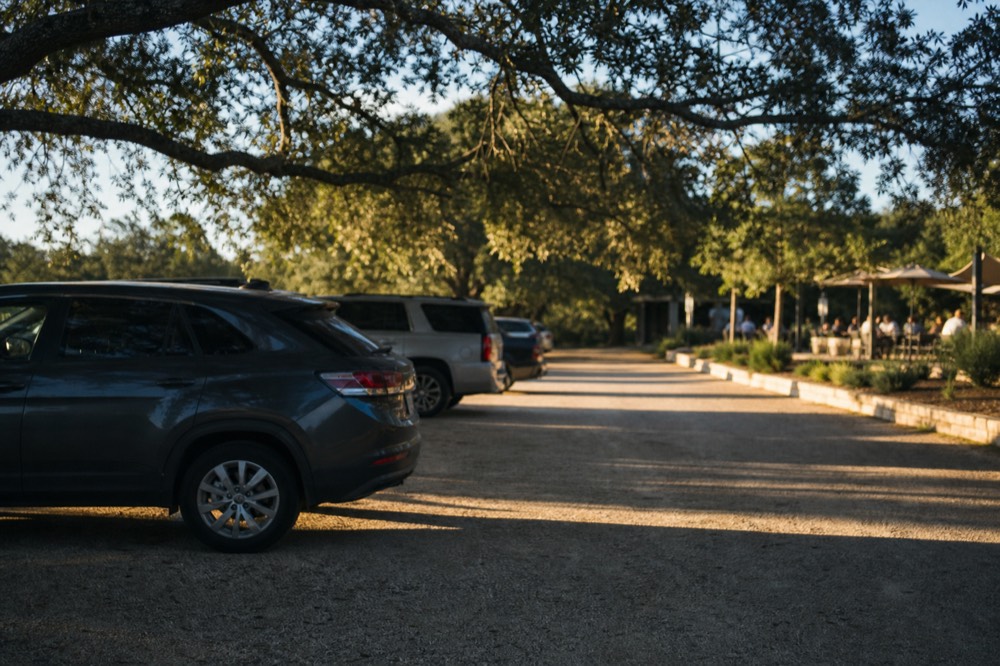
Yes. Jeans are the most common thing worn in Fredericksburg tasting rooms and nothing on the 290 corridor treats them as underdressed. This is a Texas Hill Country wine region, not a black-tie one. Dark denim with a decent shirt reads as put-together for dinner on Main Street afterwards, which saves changing.
There is no version of this question that ends in a no here. Jeans work at the boutique rooms, at the big Saturday properties with a band on the lawn, and on every vehicle from an open-air cable car to a stretched limousine. Local dress at the wineries skews to denim and boots often enough that a linen suit would be the conspicuous choice, not the safe one.
The only practical argument against jeans is heat. July and August highs in Fredericksburg sit in the low 90s Fahrenheit, and heavy raw denim on an open-sided vehicle in the middle of a July afternoon is a decision you will regret by the second stop. In those months, lighter trousers, a cotton dress or a thinner denim will treat you better. From October through April, jeans are close to the ideal answer.
One more consideration if the day ends in town. The plan for a lot of visitors is tasting until five, shower, then a German dinner at Der Lindenbaum, Otto's or The Auslander. None of those requires anything smarter than good jeans either. Dress once for the whole day and be done with it.
What shoes work on Hill Country winery grounds?
Flat, closed, and already broken in. Gravel, decomposed granite, uneven limestone and mown grass are the four surfaces you will actually walk on, often between a car park and a patio with a step or two involved. Trainers, loafers, flat boots and sturdy sandals all work. Heels and brand-new shoes do not.
This is the one place where the wrong choice genuinely damages an afternoon. Most properties on the corridor are working vineyards rather than urban bars, so the walk from vehicle to bar is outdoors and unpaved. Several include a barrel room, which usually means a concrete floor, sometimes a wet one, occasionally a step down in low light.
Closed toes earn their place for a second reason. This is ranch country, and fire ants and grass burrs are ordinary features of Hill Country ground in warm months. Open sandals put your feet in contact with both.
If the day includes anything beyond wine, this gets stricter. Enchanted Rock, about 18 miles out, is a granite dome with real hiking, and if the morning includes it then one pair of shoes has to survive both. Plenty of couples build exactly that kind of split day, and the shape of it is worked out in the couples guide to a tasting weekend. A small-group day keeps the walking short and the pacing gentle, and you can check what the boutique route covers on your date if that suits you better.
What do you wear in a Texas summer?
From May to September, dress for sun rather than for style. July and August daily highs sit in the low 90s Fahrenheit, and much of a wine tour is spent outdoors on patios with limited shade. Light natural fabrics, a wide-brim hat, sunglasses, sunscreen and a refillable water bottle are the whole kit.
Hill Country summer heat is dry rather than oppressive by Gulf Coast standards, but it is relentless from about 1pm to 5pm, which is exactly the window most tours are on the road. The annual normal high here is 77F and the normal low 53F, so the summer figures are well above the average year, and the long-run Fredericksburg climate record shows how narrow the comfortable band really is.
A hat is the single most useful item. Patios here are shaded by pergolas, oaks and umbrellas, but shade moves and seating is first come. Sunglasses matter for the same reason. Sunscreen matters most on the vehicles, because two of the most popular formats here are open-sided and you will collect an hour of direct sun in transit without noticing it.
Also drink water. Three tasting flights across five hours in 92F heat dehydrates people faster than they expect, which is a bigger factor in how the day feels than anything in your wardrobe. Some tours include water and snacks, some do not, and that is worth checking on the listing. The all-inclusive social day covers lunch and every pour for $149 per person, which removes one thing to think about on a hot Saturday, and you can see the current departure times and what is included before you book. Groups planning something louder will find the vehicle-by-vehicle breakdown in the bachelorette planning guide.
| Month band | Typical conditions | Wear | Bring |
|---|---|---|---|
| Dec to Feb | Lows near 37F, wettest stretch of the year | Jeans, jumper, warm jacket | Rain layer, scarf |
| Mar to Apr | Mild, breezy, wildflower season | Jeans or a dress with a light layer | Light jacket, sunglasses |
| May to Jun | Warming quickly, strong sun | Light trousers or cotton dress | Hat, sunscreen, water |
| Jul to Aug | Highs in the low 90s | Loosest natural fabrics you own | Wide-brim hat, water bottle, sunscreen |
| Sep to Oct | The best weather of the year | Anything comfortable, jeans included | Light layer for the evening |
| Nov | Cool, occasional cold snaps | Jeans, jumper, jacket | Gloves if you feel the cold |
What about winter, when January lows sit near 37F?
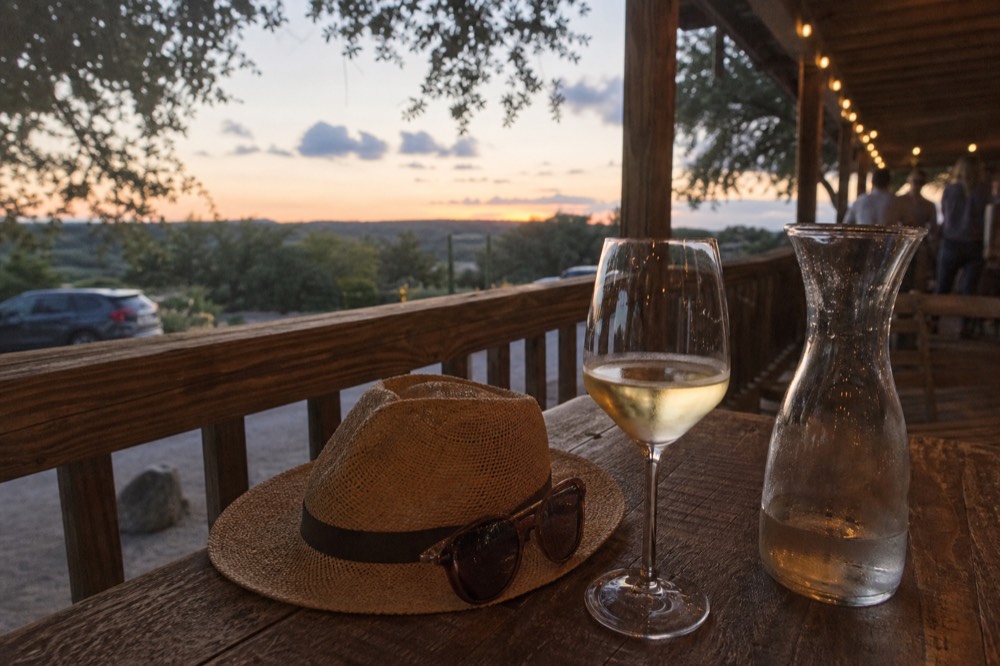
Winter here is mild by most standards and wet by local ones. January averages a low around 37F, with one local record putting the coldest average at 34.2F, and winter accounts for roughly 28 percent of the year's 31.53 inches of rain. Layers and a genuinely waterproof jacket beat a heavy coat.
The trap in a Fredericksburg winter is the swing. A January day can start near freezing and reach the fifties by mid-afternoon, and the tasting rooms themselves are heated. Wear three layers you can shed rather than one thick coat you have to carry from bar to bar. A jumper, a shirt and a shell is the practical formula.
Rain is the more likely inconvenience. Patios that carry the whole experience in October become useless in a February shower, so a wet winter day pushes everyone indoors and the smaller rooms get crowded fast. That is an argument for a tour capped at ten rather than a shared bus, and an argument for booking a format with lunch included so you are not hunting for a table in the rain.
The upside is real, though. Winter is the quietest season on the corridor by a distance, and if you would rather have an unhurried pour and a conversation with whoever is behind the bar than a lawn full of people, February is the month. The wider seasonal case is laid out in the best time to visit Texas wineries.
Does the vehicle change what you should wear?
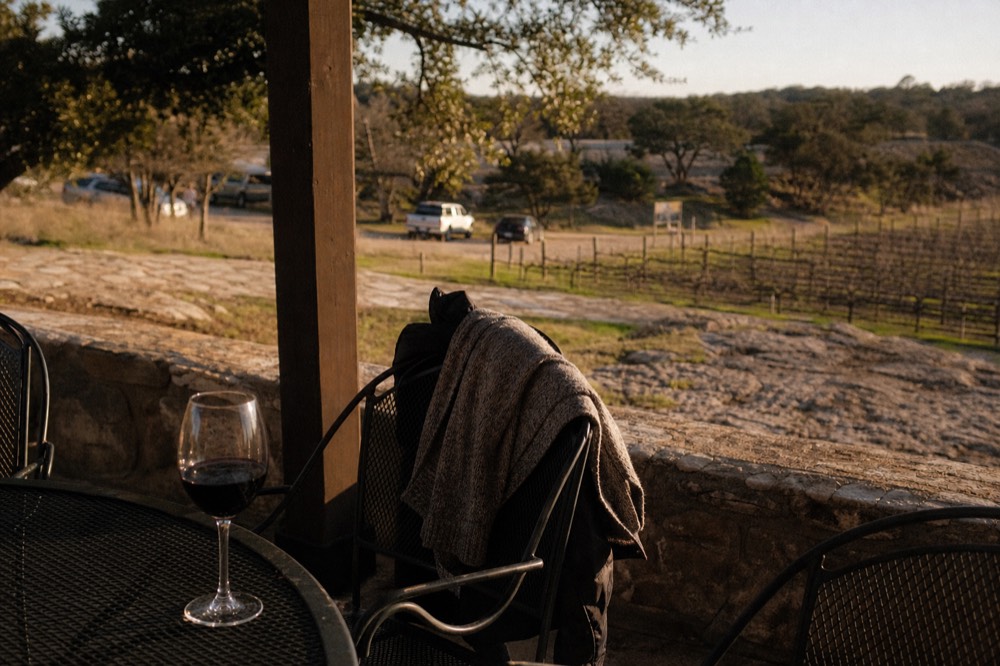
It does, more than the wineries do. An open-air cable car exposes you to sun and wind for the whole transit, so hair, hats and light layers all need thinking about. Enclosed limousines and Sprinters are climate-controlled and change nothing. The safari vehicle at the game farm is open by design, which is the point of it.
Three formats worth calling out. The all-inclusive social day rides either a vintage open-air cable car or a limo bus and seats up to 24. On the open-air version, a hat without a chin cord will not survive the drive, and neither will long loose hair. Tie it back and enjoy the day.
The stretched limousines from Brooke's are enclosed and comfortable, so the vehicle imposes nothing. The private Sprinter is the most weather-neutral option on the list and the one I would pick for a group in August.
Then the outlier: the Fredericksburg Game Farm safari, 1.5 hours of open-vehicle driving plus four wine tastings paired with the ranch safari, $135 per person and rated 4.9 across 287 reviews. Dust, sun and animals up close, so closed shoes and clothes you do not mind dusting. It is also non-refundable, worth knowing before you book a date you are unsure about. You can look at the current departure times and price and judge it against the forecast.
| Vehicle | Exposure | Dress note |
|---|---|---|
| Open-air cable car | Full sun and wind in transit | Tie hair back, secure hats, add sunscreen before boarding |
| Limo bus | Enclosed, air conditioned | Bring a layer for the cold air |
| Stretched Lincoln, Volkswagen or pink Mini | Enclosed | Nothing special, dress for the rooms |
| Private Sprinter | Enclosed, climate controlled | The most forgiving option in July and August |
| Open safari vehicle | Full sun, dust, animals close | Closed shoes and clothes you do not mind dusting |
| Coach from the visitor center | Enclosed | Layer for the aircon, no lunch included on that one |
What should you leave at home?
Leave the heels, the brand-new shoes, the strong perfume and anything white you care about. Perfume and aftershave interfere with other people's tasting at a shared bar, which is the one piece of genuine etiquette that applies here. Everything else is a comfort call.
The perfume point is the only rule anyone in a tasting room will actually notice. Aroma is most of what you are assessing in a glass, and a strong scent carries down a bar of ten people. Keep it light or skip it entirely.
White clothing is a practical risk rather than an etiquette one. Red wine, gravel dust and picnic lunches all conspire against it. Big bags are the other thing to reconsider, since tasting bars are narrow and you will be standing at several of them. And do not bring your own alcohol aboard without asking. Texas law allows passengers to drink in the passenger area of a bus, taxicab or limousine operated for compensation, but individual operators set their own vehicle rules and some do not permit outside drinks.
If the whole question of how a tasting works is new to you, from flights and spit buckets to what to do when you dislike a pour, how a Fredericksburg tasting actually runs covers it plainly. And if you would rather every fee and reservation be handled for you so the only decision left is your shoes, the all-inclusive days with lunch and tastings covered are built for exactly that.
Your next step
Choose a date for Boutique winery day
Starting recommendation · confirm the details for your party
Find the format for your day · compare options
The starting recommendation is general guidance. Compare a format, then check your starting point, time and party. All listed tours operate in English; confirm specific access needs with the operator.
Choose any details to narrow the options. Prices and availability are confirmed with the provider.
Other formats in this comparison
- Three wineries & lunch: Three winery tastings, lunch and transport in one ticket. Marktplatz meeting point; pickup within 2 miles of downtown by arrangement. Vehicle may be an open cable car, limo bus or van. Up to 6 per online booking; larger parties must arrange with the operator. Free cancellation at least 24 hours before departure; check the booking terms.
- Private Hill Country Sprinter: Your own driver and vehicle for a customizable winery, brewery or distillery route. City-limits pickup; up to 11 guests. Tastings and drinks extra. Optional lunch adds cost and one hour; request at least 2 days ahead. Confirm specific stops before booking. Free cancellation at least 24 hours before departure; check the booking terms.
- Cowboy three-winery bus: Four hours, three wineries and four to five tastings at each stop. Fredericksburg Visitor Center rear lot. Tastings, light snacks and water included; meals extra. Adult wine experience; check the date and party on GetYourGuide.
- Safari & four wine tastings: A guided ranch safari paired with four wine tastings. Adults 21+ on this wine ticket. Meet at the ranch; no hotel transfer. Closed shoes required. Check-in location varies by weekday; arrive 30 minutes early. Animal encounters vary. Non-refundable.
Compare your full-day costs
Use current quotes for the same party. Include tasting fees, meals, transport and required extras in both totals. This compares your figures, not a supplier quote.
Check your date before arranging the rest of your day. Three boutique winery visits with tastings and lunch.
Visitor Center departure; optional paid pickup within 5 miles. At least 4 passengers needed to operate. Shared tour up to 10; online bookings up to 8. Winery selection varies. Free cancellation at least 24 hours before departure; check the booking terms.
Scheduled dates load automatically. Availability and final price are confirmed on Viator.